
New safety regulations drivers should know this year
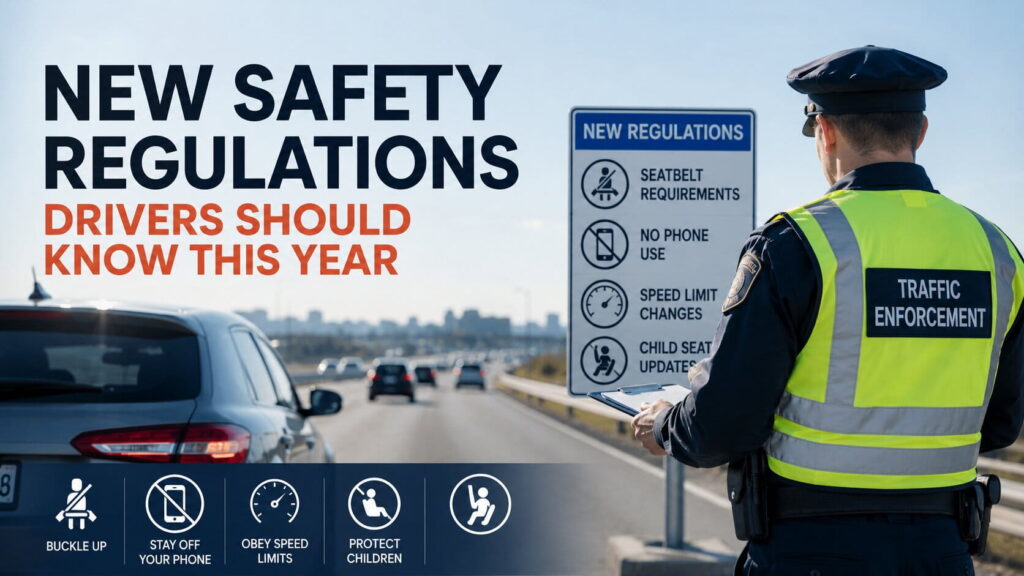
To enhance road protection, familiarize yourself with the revised guidelines regarding vehicle operation. These rules are designed to minimize accidents and injuries, ensuring a safer journey for all roadway users.
Among the most significant updates is the mandatory use of advanced driver-assistance systems (ADAS) in new vehicles. Features like automatic emergency braking and lane-keeping assist have been shown to reduce collision rates significantly.
It’s crucial to stay updated on blood alcohol concentration limits as they have been adjusted in several states. Increased penalties for impaired driving offenses aim to deter such behavior and promote a more responsible driving culture.
Additionally, the introduction of strict regulations around distracted driving is essential. Increased enforcement of penalties for phone use while driving highlights the importance of maintaining full attention on the road.
Complying with these modifications not only ensures adherence to the law but also contributes to the safety of everyone on the road.
Understanding New Licensing Requirements for Drivers in 2023
The recent changes entail stricter eligibility criteria for obtaining a driving license. These criteria are aimed at enhancing accountability and responsibility among new operators on the road. Individuals must present valid identification and proof of residence, which must be regularly updated.
New candidates will undergo a mandatory training program designed to cover the core aspects of operating a vehicle. This program includes both theoretical examinations and practical assessments to ensure comprehensive understanding of traffic rules and safety measures.
Age restrictions have been adjusted as well. The minimum age for acquiring a license is now set at 18 years, with certain exemptions for educational purposes. This adjustment seeks to limit inexperienced drivers on public roads until they have reached a higher level of maturity.
| Requirement | Description |
|---|---|
| Age | Minimum age is 18 years for standard licenses. |
| Training | Completion of a certified training program is required. |
| Examination | Both theoretical and practical tests must be passed. |
| Identification | Valid ID and proof of residency are necessary. |
Another important alteration involves the renewal process. Existing license holders must renew their licenses every five years, instead of the previous ten-year cycle. This change aims to maintain up-to-date records of all licensed individuals and their driving habits.
Additionally, suspension of a license can occur if an individual accumulates a specified number of infractions within a set timeframe. This underscores the importance of adhering to traffic laws, as violations could result in loss of driving privileges.
For those seeking to upgrade their licenses to larger vehicles, prerequisites now include advanced training modules. This ensures that operators of buses and commercial vehicles are well-versed in the demands of handling larger machinery.
Finally, staying informed about these updated requirements is crucial. Drivers should regularly check with local authorities to ensure compliance and avoid any potential fines or penalties associated with non-adherence to the new standards.
Key Changes in Penalties for Traffic Violations This Year
Increased fines for speeding violations are now in effect. For instance, exceeding the limit by 10-20 mph may result in fines up to $300, a significant rise from earlier rates. Drivers are strongly advised to adhere to speed limits to avoid steep financial penalties along with potential points on their licenses.
Another notable adjustment is the introduction of harsher repercussions for distracted driving. Offenders can face fines ranging from $150 to $500 depending on the severity of the incident. Repeat offenders may also encounter increased premiums on insurance, which further exacerbates financial consequences.
Failing to yield to pedestrians has seen tighter penalties. This includes both fines and possible community service requirements. Enforcement of these measures aims to enhance the safety of all road users, reminding all motorists to prioritize vigilance in crosswalks.
Reckless driving charges now carry mandatory driving courses, alongside increased fines. These educational programs focus on responsible conduct behind the wheel, aiming to reduce repeat offenses. Compliance with these requirements is critical for maintaining driving privileges and avoiding harsher sanctions.
Finally, operating a vehicle under the influence has undergone significant changes. First-time offenders may now face jail time along with steep fines, while repeat offenders encounter lengthier license suspensions. Strict enforcement means that maintaining sobriety while driving is imperative for all individuals on the road.