
Simple maintenance habits that extend vehicle lifespan
Regularly checking tire pressure can significantly influence the longevity of your automobile. Under-inflated tires increase wear, reduce fuel efficiency, and may lead to dangerous blowouts. Aim to check the pressure at least once a month and adjust as needed according to the manufacturer’s recommendations.
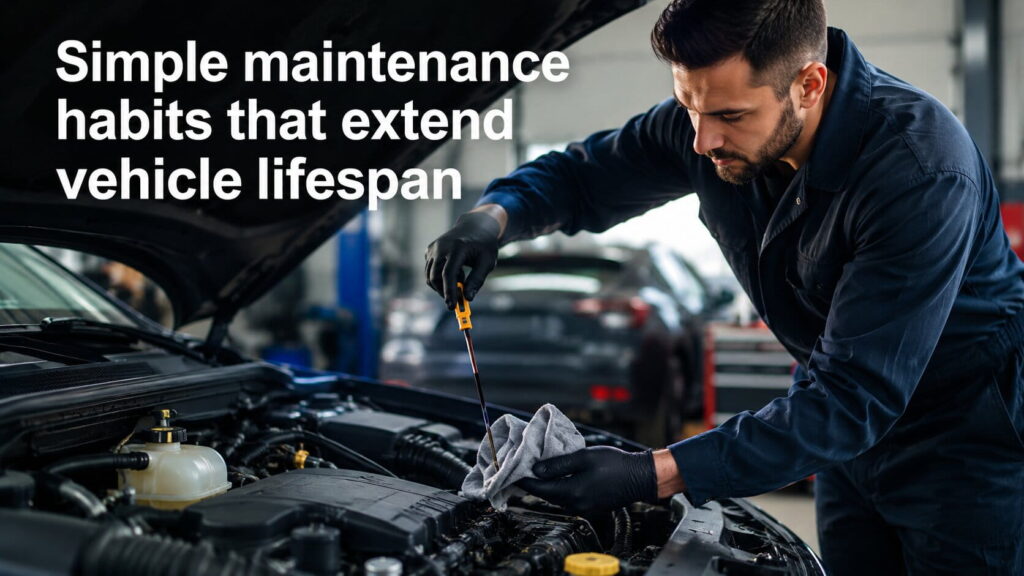
Consistent oil changes are fundamental to optimizing performance and extending the lifespan of your engine. Follow the manufacturer’s schedule for oil replacement, typically every 5,000 to 7,500 miles, depending on oil type and driving conditions. Clean oil lubricates moving parts effectively, minimizing friction and wear.
Routine inspections of belts and hoses help to prevent potential breakdowns. Look for signs of wear such as cracks, fraying, or bulging. Early detection and replacement can save considerable time and expense down the line, ensuring smooth operation of your automobile’s systems.
Maintaining an appropriate coolant level is essential for preventing overheating. Check the coolant reservoir regularly and ensure that the system is flushed and filled according to the manufacturer’s schedule. Keeping the engine at optimal temperatures enhances its lifespan and performance.
Keeping your vehicle clean, both inside and out, protects against rust and corrosion. Regular washing, waxing, and interior cleaning not only preserve the appearance but also prolong the life of the materials. Consider seasonal deep cleaning, particularly after exposure to road salt in winter.
Regular Oil Changes: Timing and Best Practices
Change the oil every 5,000 to 7,500 miles or as specified in the owner’s manual. Frequent oil changes help to remove sludge and contaminants, enhancing engine function and extending longevity.
Utilize high-quality oil and filters that match vehicle specifications. Synthetic oils may provide superior protection and performance, especially in extreme conditions. Always verify compatibility with the engine type.
Check oil levels monthly, supplementing any deficiencies as necessary. Low oil levels can lead to increased wear and damage, significantly reducing the operational life of the engine.
While performing an oil change, replace the oil filter simultaneously. This practice ensures that old particles do not mix with new oil, maintaining optimal performance. Clean the area around the filter before removal to prevent contamination during the process.
Keep detailed records of all oil changes, including mileage and type of oil used. This information supports effective maintenance planning and serves as valuable documentation, particularly when selling the vehicle in the future.
Tire Maintenance: Pressure Checks and Rotations
Regularly inspect the tire pressure at least once a month. Maintaining the correct pressure, typically specified on the driver’s side door jamb or in the owner’s manual, enhances fuel efficiency, improves safety, and extends tire longevity. Under-inflated tires can lead to heat buildup and increased wear, while over-inflated tires may reduce traction.
Conduct pressure checks when tires are cold for the most accurate readings. This means measuring after the vehicle has been parked for a minimum of three hours or after driving less than a mile at moderate speed. Use a reliable gauge to ensure precision; manual or digital options are both available in stores.
- Store a tire pressure gauge in your vehicle.
- Consider investing in a tire inflator with an automatic shut-off feature.
- Monitor pressure before long trips or seasonal changes.
Rotate tires every 5,000 to 8,000 miles to distribute wear evenly across all four tires. This task promotes balanced handling and performance and can be performed during oil changes for convenience. Following the manufacturer’s tire rotation pattern ensures optimal results and prolongs the life of all tires.
Battery Care: Signs of a Failing Battery and Maintenance Tips
Regularly check the battery terminals for corrosion, which can lead to poor connections and starting issues. Clean the terminals using a mixture of baking soda and water, applying it with a toothbrush. Rinsing with water afterward ensures no residue remains. A clean connection extends the durability of the power source.
Battery longevity is often signalled by slow engine cranking or dimming headlights during start-up. These indicators typically suggest that the energy storage unit is losing capacity and may soon require replacement. If such symptoms arise, having the battery tested at an auto service center can confirm its health status.
Moisture can cause damage; inspect the battery casing for cracks or leaks, as either can lead to loss of charge and reduced performance. If any abnormalities appear, replacing the unit immediately is prudent. This step can save time and potential damage to other electrical components.
| Sign | Action |
|---|---|
| Slow cranking | Test battery condition |
| Dimming headlights | Inspect and clean terminals |
| Corrosion around terminals | Clean with baking soda solution |
| Cracks or leaks | Replace battery |
Temperature extremes can also affect capacity; during winter, ensure the battery is fully charged before cold weather hits. In summer, avoid direct sunlight when parked for prolonged periods. Utilizing a battery cover can provide additional insulation against temperature fluctuations.