What makes electric vehicles different from traditional cars
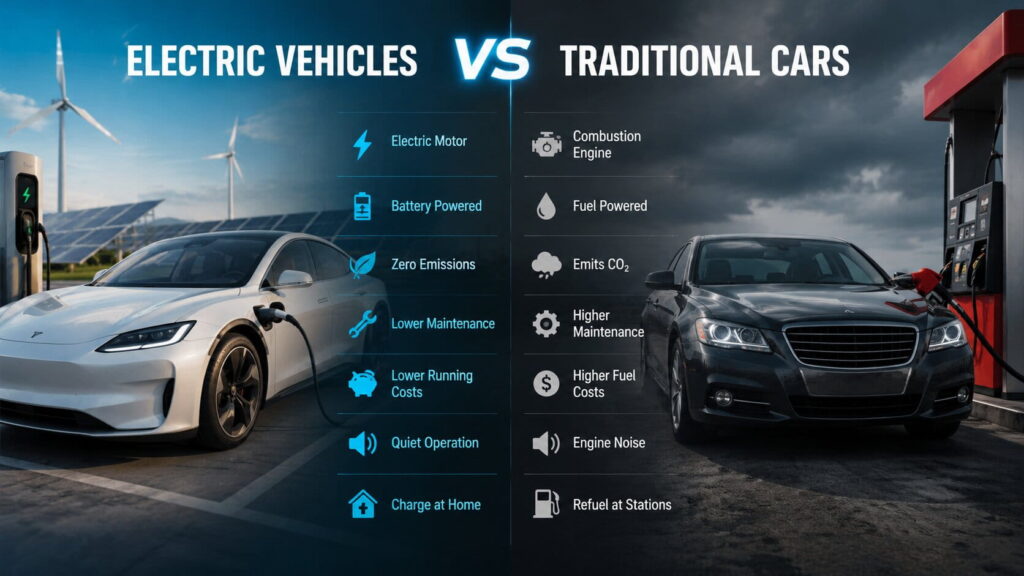
The technology utilized in a battery-powered vehicle presents distinct advantages in terms of maintenance and operational costs. Owners benefit from fewer moving parts, often leading to lower service expenses over time. Regular check-ups can be less frequent, resulting in savings for the budget-conscious driver.
In terms of environmental impact, battery-operated models typically produce zero tailpipe emissions, contributing to a cleaner atmosphere. This is a significant factor for individuals dedicated to eco-friendly practices. The transition to such vehicles aligns with a growing demand for sustainable transport options.
Additionally, the performance capabilities of these machines show a notable variation from their petrol counterparts. Instant torque generation allows for quicker acceleration, offering an exciting driving experience. For enthusiasts interested in speed and responsiveness, this characteristic is particularly appealing.
Fueling habits also contrast with traditional vehicles. While gas stations remain ubiquitous, charging infrastructure is expanding rapidly, with home charging options providing convenience for many users. Understanding these factors is vital for making an informed choice tailored to individual preferences and lifestyle needs.
Performance Metrics: Acceleration and Handling
For those seeking rapid acceleration, the choice leans toward a battery-powered vehicle. These models often boast impressive torque delivery, enabling quick starts from a standstill. For instance, certain brands achieve 0 to 60 mph in under 3 seconds, outpacing many combustion-engine counterparts.
While assessing agility, weight distribution becomes crucial. Battery-powered models tend to have a lower center of gravity due to the placement of their heavy battery packs. This characteristic enhances handling and stability, particularly during sharp turns and rapid lane changes.
On the other hand, combustion-engine vehicles typically rely on mechanical systems for power. Their responsiveness can diminish due to gear shifts, which may lead to a slower acceleration experience. Continuous power delivery found in electric alternatives allows for smoother transitions in speed.
Braking systems vary as well. Regenerative braking in electric models not only helps recharge the battery but also provides immediate energy conversion, enhancing quick stops and overall control. In contrast, conventional models often rely purely on friction, which can lead to more heat generation and potential fade during intense use.
Handling is further impacted by vehicle weight. Heavier electric vehicles may experience difficulty in tight corners. However, advancements in suspension technology are countering these effects, allowing for improved cornering capability.
Driver feedback also plays a role. Many electric vehicles feature advanced feedback mechanisms that enhance the connection between the driver and the road, giving a sense of precision during maneuvers. This contrasts with some combustion vehicles, where feedback can sometimes feel less direct or intuitive.
Performance metrics therefore suggest that for enthusiasts valuing rapid acceleration and responsive handling, battery-powered options are increasingly appealing. The evolution of drivetrain technologies continues to push boundaries, making them an attractive choice for drivers focused on performance.
Cost of Ownership: Maintenance and Fuel Expenses
For those considering their transport options, this analysis directly favors battery-powered vehicles due to their significantly lower operational costs. Maintenance for electric models averages around $300 annually, primarily due to fewer moving parts and the absence of oil changes. Conversely, gasoline-powered models can incur costs of $600 or more each year owing to more complex engine systems and greater wear and tear.
Fuel expenses can be another deciding factor. An electric vehicle typically costs around $500 per year to recharge, depending on local electricity rates and usage patterns. On the other hand, conventional models may average $1,400 annually on gasoline, assuming a moderate driving distance. This stark contrast showcases the potential savings associated with adopting battery-powered technology.
In terms of longevity, vehicles designed for electric power generally face fewer long-term repairs. For instance, brake systems in electric models tend to last longer due to regenerative braking. Traditional vehicles, however, might require frequent brake pad replacements, potentially increasing maintenance needs over time.
Additionally, many electric models qualify for government incentives, further enhancing their economic appeal. These rebates and tax credits can offset the initial purchase price and improve overall cost-effectiveness, solidifying their position as an increasingly attractive option for budget-conscious drivers.