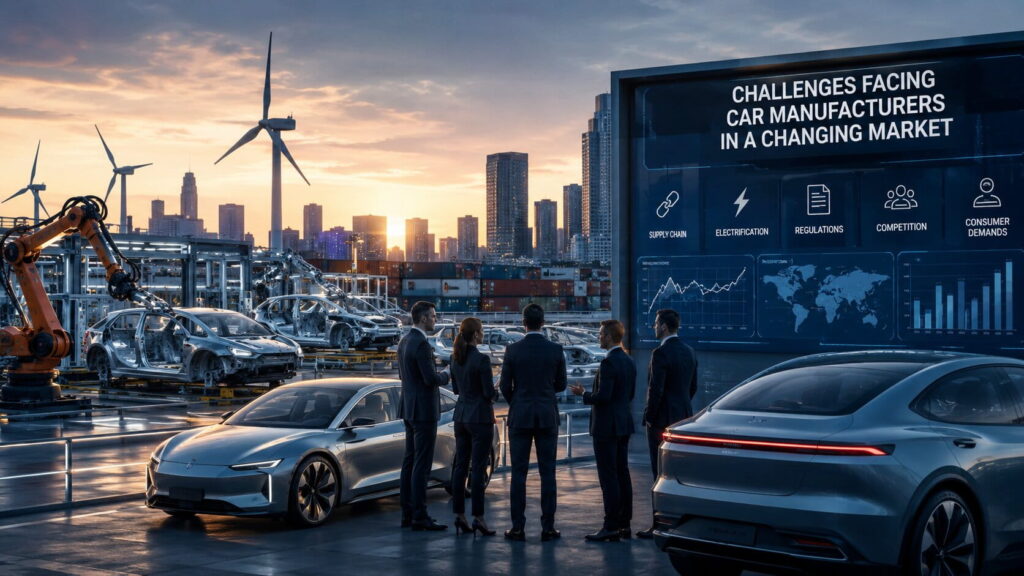
Challenges facing car manufacturers in a changing market
To thrive in this competitive ecosystem, automotive creators must prioritize innovation in electric vehicle technology. The shift towards sustainable transportation is not just a trend; it’s a necessity that demands immediate attention. Collaborations with technology firms can enhance capabilities and streamline the development process.
Investing in advanced manufacturing techniques is equally critical. Adapting to automation and smart factory solutions can significantly reduce production costs while improving quality. Implementing data analytics can also lead to better decision-making and resource allocation.
Furthermore, understanding consumer preferences is paramount. Conducting thorough market research and adjusting product offerings based on feedback can foster brand loyalty. Transparent communication about product benefits, especially in the areas of sustainability and safety, will resonate with the eco-conscious buyer.
Adapting to Rapid Technological Advancements
Integrating advanced technologies such as electric drivetrains and autonomous systems is vital. Manufacturers must prioritize R&D funding, aligning resources with emerging technologies to accelerate development cycles. For example, investing in software engineering is as crucial as traditional mechanical expertise. Continuous learning platforms can enhance team skills, ensuring personnel are prepared for cutting-edge innovations.
Partnerships with tech firms can be advantageous. Collaborations can lead to shared knowledge and resources, making it easier to implement AI and machine learning into vehicle design and production processes. This approach helps streamline operations and enhance overall product quality. Establishing these alliances requires clear communication and established frameworks for collaboration to ensure mutual goals are met.
- Adopt modular vehicle architecture to easily integrate new technologies.
- Focus on data-driven insights for improved decision-making.
- Implement agile methodologies in manufacturing processes.
- Prioritize cybersecurity to protect connected vehicles.
Navigating Regulatory Changes and Environmental Standards
To thrive amidst evolving regulations, companies in the automotive sector should invest in robust compliance management systems. This involves continuous monitoring of local and international policies pertaining to emissions and safety. Utilizing technology such as AI for analytics can help track changes and forecast impacts on production processes.
Partnerships with regulatory bodies can provide insights into upcoming changes, allowing firms to adapt more swiftly. Establishing channels for open communication ensures that companies can influence regulations by demonstrating their commitment to sustainable practices.
A focus on electric vehicles (EVs) is paramount, as governments worldwide are pushing for lower emissions. A strategic shift towards electrification not only meets regulatory demands but also aligns with consumer preferences. Data shows that EV sales are projected to surpass 30% of total vehicle sales by 2030, highlighting a significant market transition.
| Year | Projected EV Sales (% of total) |
|---|---|
| 2023 | 10% |
| 2025 | 20% |
| 2030 | 30% |
| 2035 | 50% |
Innovation in manufacturing processes is vital. Implementing sustainable materials and greener production techniques not only aids in compliance but also creates a competitive edge. By prioritizing renewable resources, companies can significantly lower their carbon footprint while optimizing operational costs.
Engaging in proactive research and development to meet future standards should be part of any long-term strategy. Emphasizing sustainability in product design will facilitate compliance and enhance brand loyalty among increasingly eco-conscious consumers, ultimately shaping a more favorable reputation in the automotive industry.
Responding to Shifts in Consumer Preferences and Behavior
Adapting strategies to align with emerging trends in vehicle ownership is non-negotiable. Focus on electric and hybrid alternatives, as more people prioritize sustainability. According to a recent survey, 70% of potential buyers express interest in environmentally friendly options. Developing a diverse range of green vehicles can significantly enhance brand loyalty and engagement.
Incorporating advanced technology is essential for targeting tech-savvy consumers. Features such as autonomous driving capabilities, connected car systems, and real-time navigation are highly sought after. Investments in R&D for innovative tech will not only attract younger buyers but also improve overall customer satisfaction.
Market segmentation is critical. Understanding demographics allows for tailored marketing strategies. For instance, urban dwellers may prefer compact models with high fuel efficiency, while families often look for larger SUVs with safety features. Conducting thorough market research aids in addressing the unique preferences of different consumer groups.
Customer engagement through social media channels fosters direct communication. Brands can gather feedback, answer questions, and showcase new products effectively. By implementing targeted campaigns that resonate with specific audiences, manufacturers can strengthen their position and enhance the customer experience.
Lastly, transparency regarding production practices and sourcing materials enhances consumer trust. Today’s buyers are increasingly aware of ethical considerations. Publicizing sustainability efforts and responsible sourcing can build a positive brand image and differentiate a company from competitors.