Charging basics every new EV owner should understand
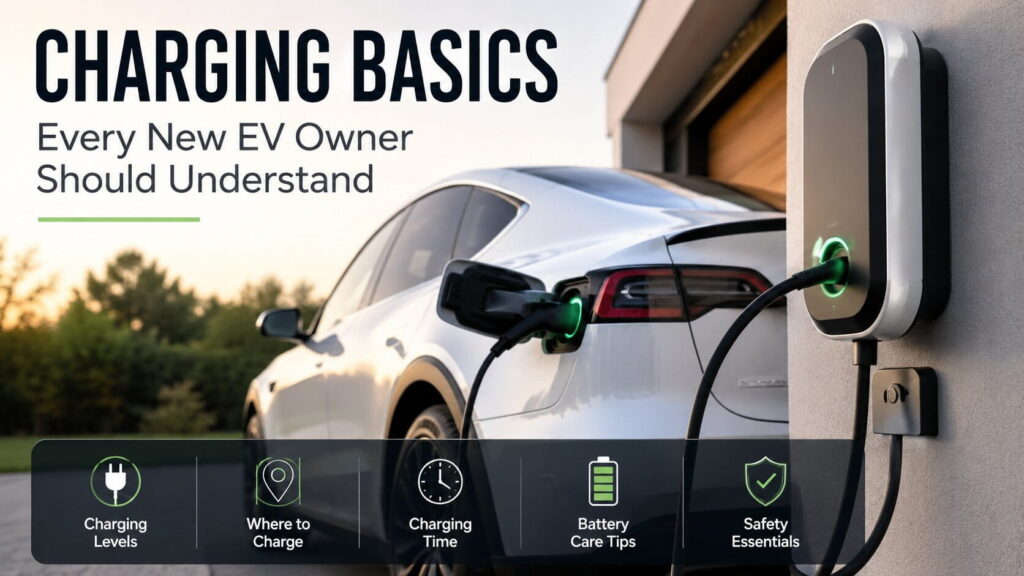
Utilize a Level 2 home charger for optimal recharging speeds. This setup provides a much quicker turnaround than standard outlets, ensuring your battery is ready for those spontaneous drives. Installing one might seem daunting, but the efficiency gained is well worth the investment.
Familiarize yourself with the battery capacity of your model. Most modern EVs come with various options, affecting range and charging times. Knowing your specific range can help you manage charging habits and alleviate range anxiety, especially during longer trips.
Take advantage of off-peak electricity rates. Many utility companies offer lower rates during certain hours, which can significantly reduce your overall charging costs. Plan your recharging sessions during these times to maximize savings.
Always stay informed about available public charging stations. Mobile apps can guide you to nearby facilities, providing real-time information on availability. This is especially useful when traveling longer distances or exploring new areas.
Understanding Different EV Charging Levels and Their Applications
Level 1 is the most basic option available, suitable for home use through a standard 120V outlet. It delivers approximately 4-5 miles of range per hour, making it ideal for overnight charging. This method is excellent for those who mainly use their vehicle for short trips and can charge overnight without urgency. It’s a cost-effective solution requiring minimal investment, but may not meet the needs of those with longer commutes.
Level 2 offers a significant upgrade, providing about 25 miles of range per hour with a 240V connection. Perfect for residential and public installations, this level is increasingly common in homes and commercial settings. If your usage is more demanding, opting for Level 2 is advisable. It reduces the time spent at the station, allowing for more flexibility in daily travel plans. Recognize your driving habits and charging options to maximize convenience and efficacy.
Choosing the Right Home Charging Solution for Your Lifestyle
Select a Level 2 home station if you frequently travel long distances or face a daily commute exceeding 30 miles. This option typically charges an electric automobile at a rate of 25 to 30 miles per hour, significantly reducing downtime during the day. Ensure to check local electrical capacity, as a dedicated circuit may be necessary for optimal functionality.
For occasional users, a standard 120-volt outlet may suffice. However, consider the drawbacks: a full charge can take up to 12 hours. Evaluate your routine and determine if this long duration aligns with your schedule. Before installation, identify which model suits your needs best, ensuring compatibility with your automobile’s specifications. Explore alternative locations for rejuvenation, such as public stations, while keeping an eye on costs and accessibility.
Navigating Public Charging Networks: Tips for New EV Owners
Locate a user-friendly app to assist in finding available stations nearby. Many platforms provide real-time updates on operational status and user reviews, which can save time and prevent frustration when seeking a plug-in point.
Familiarize yourself with the different voltage levels offered at charging hubs. Level 2 options are common in public settings, taking a few hours for a complete top-up, while DC fast charging can replenish your energy significantly quicker, ideal for longer trips.
Understand the payment methods available at various locations. Some stations may require a subscription or membership card, while others accept credit cards or mobile payments. Carrying multiple payment options can help avoid surprises during refueling.
Plan your stops if you’re on a longer drive. Utilizing route planners that highlight locations with access to charging infrastructure ensures you’re never more than a short distance from a recharge, keeping your road trips seamless.
Keep an eye on emerging technologies and networks. New stations are frequently opening, and advancements in charging technology can enhance convenience and reduce downtime for your vehicle, thereby improving the overall experience.
Lastly, engage with local communities or online forums. Active user groups share updates, tips, and advice that can enhance your understanding and ease the transition into electric mobility. Their insights are often based on practical experiences.