
How technology is transforming the automotive industry
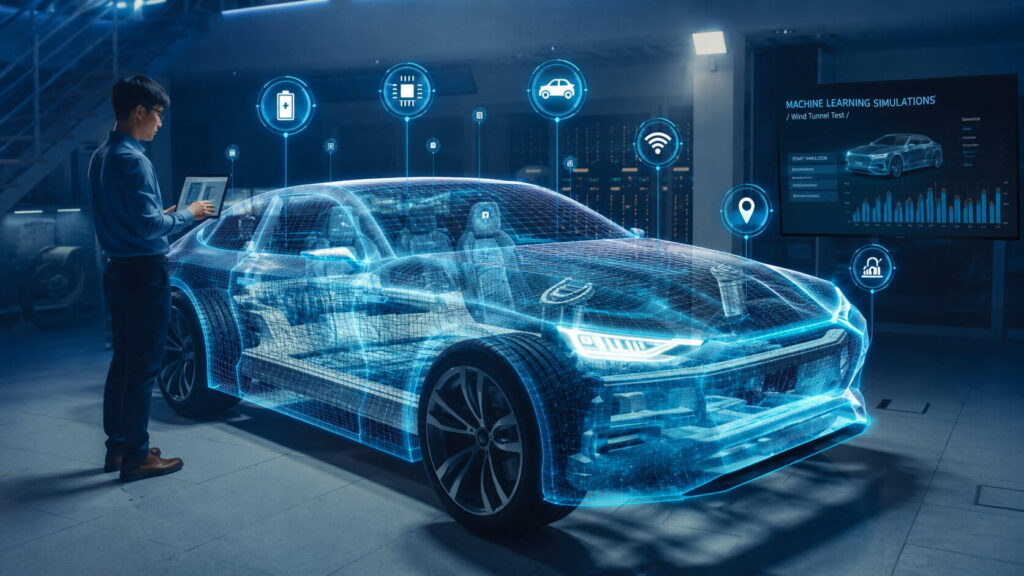
To stay competitive, companies in the mobility sector must invest in advanced solutions that reshape their business models. One key strategy is the integration of artificial intelligence and machine learning to enhance manufacturing processes. Data-driven decision-making can significantly minimize production costs while improving quality.
Developing smart transportation systems is another critical recommendation. Implementing connected vehicles promotes safety and efficiency on the roads. Incorporating Internet of Things (IoT) technology allows for real-time monitoring and analytics, empowering manufacturers to anticipate issues before they arise.
Companies should also prioritize sustainability by adopting alternative energy sources. Transitioning towards electric and hybrid vehicles not only meets customer demand but also aligns with global environmental goals. Leveraging renewable technologies can provide a roadmap towards a more eco-friendly approach to mobility.
Investing in rigorous training programs for employees ensures that the workforce is equipped to adapt to these advancements. Fostering a culture of innovation within the organization is critical for successfully implementing these changes.
Implementing Electric Vehicle Infrastructure for Sustainable Growth
Deploy open charging networks that support various manufacturers. Encourage partnerships between public and private entities to develop charging stations in high-traffic locations. Aim for widespread accessibility and compatibility to facilitate consumer adoption of electric vehicles.
Invest in fast-charging technologies to reduce wait times for drivers. Implement solutions that allow for rapid installation of charging points, especially in urban areas. Increasing the density of charging infrastructure can directly impact the decision-making process of potential buyers.
Utilize data analytics to identify optimal locations for charging stations. Monitor usage patterns and regional demand to ensure an attractive network. Prioritize areas with high population density and significant electric vehicle ownership growth rates.
Incorporate renewable energy sources into the charging infrastructure. Solar and wind power can lower operational costs and reduce the carbon footprint of electric vehicle charging stations. Consider installing solar panels at charging locations to enhance sustainability.
Develop robust incentives for businesses and municipalities that invest in electric vehicle infrastructure. Offer tax breaks, grants, or subsidies to stimulate growth. Encourage the formation of community charging initiatives to build a sense of shared commitment to sustainable transport solutions.
Enhancing Driver Safety with Advanced Driver-Assistance Systems
Integrate adaptive cruise control with lane-keeping assistance in your vehicle for an immediate improvement in safety. These features not only help maintain safe distances but also reduce driver fatigue during long trips. Studies indicate that vehicles equipped with these systems reduce the risk of highway accidents by up to 30%, highlighting their role in enhancing overall road safety.
Implement real-time monitoring systems that alert drivers to hazardous conditions or impending collisions. Systems employing automatic emergency braking can be particularly effective, as they often act faster than human reflexes. Recent data shows that cars with this feature are involved in 50% fewer rear-end collisions, showcasing its importance in minimizing crash severity and protecting all road users.
Invest in ongoing software updates for your vehicle’s assistance systems. Automated updates allow for improved functionality and the addition of new safety features, keeping your vehicle aligned with the latest safety standards. Regularly ensuring your systems are updated not only maintains their efficacy but also enhances your driving experience overall.
Leveraging Data Analytics for Improved Vehicle Performance and Maintenance
Integrate real-time data analytics systems into the vehicle ecosystem to maximize performance and streamline maintenance. Implementing predictive maintenance allows for timely interventions, significantly reducing unexpected breakdowns and associated costs. By utilizing telemetry data, manufacturers can monitor key performance indicators, such as fuel efficiency, engine temperature, and wear rates, enabling proactive adjustments and repairs.
Utilizing advanced algorithms can enhance diagnostic accuracy. Analyzing historical data alongside current metrics provides insights into patterns and anomalies. Consider the following approaches:
- Data collection from multiple sensors to assess various vehicle functions.
- Machine learning models for predicting failure rates based on previous incidents.
- Cloud-based platforms for aggregating data securely, allowing for easy access and analysis.
The end goal should be enhancing not only performance but also the user experience. By integrating analytics into customer feedback systems, manufacturers can identify common issues faced by drivers. This approach fosters continuous improvement in vehicle design and functionality, ensuring compliance with market demands.