Latest trends shaping the global automotive market
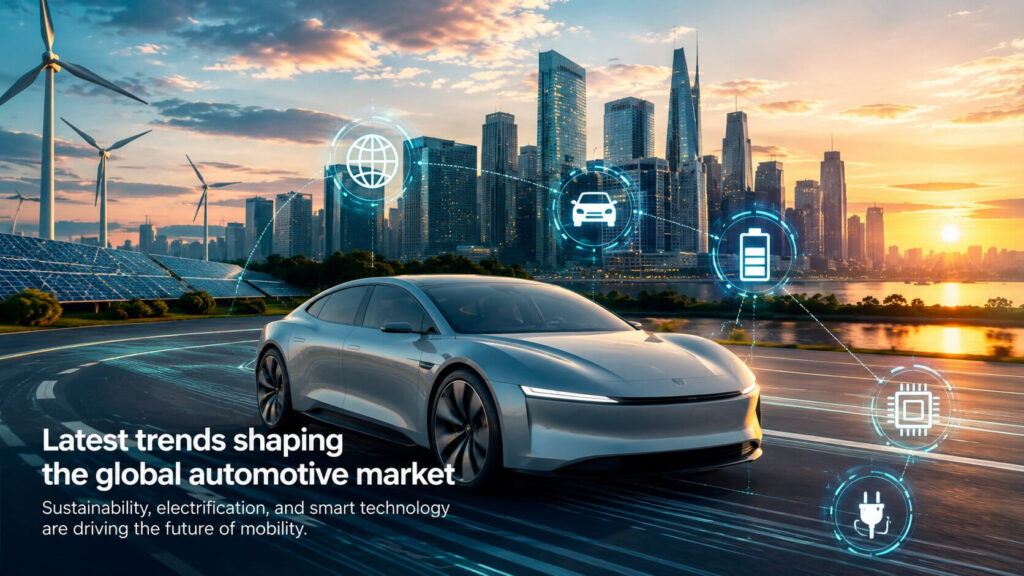
Adopt electrification strategies now to stay competitive. As consumers gravitate towards sustainable options, demand for electric vehicles continues to surge, with projections indicating that they will constitute over 30% of total vehicle sales by 2030.
Incorporate advanced connectivity features into your offerings. Recent studies reveal that more than 50% of drivers prioritize smart technology in their purchasing decisions, highlighting the necessity for manufacturers to enhance in-car connectivity to attract tech-savvy consumers.
Invest in autonomous driving research to remain relevant. A significant portion of industry experts predicts that fully automated vehicles could dominate personal transportation by 2040, making early investments in this area a strategic advantage for forward-thinking companies.
Adapt to shifting consumer preferences towards shared mobility solutions. With ride-hailing services on the rise, traditional ownership models are facing disruption; statistics show that around 27% of urban dwellers are considering alternatives to personal vehicle ownership.
Impact of Electric Vehicles on Market Dynamics
Integrating electric vehicles (EVs) significantly alters competitors’ strategies within the automobile market. Traditional manufacturers are reallocating resources, focusing on R&D to enhance electric models. This shift can be seen in companies like Ford and GM, investing billions to transition production lines toward electric offerings, aiming to capture emerging demand. The shift in investment not only reflects current consumer trends but also drives competition, compelling established players to innovate rapidly.
Sales of electric models are projected to surpass gasoline vehicles by 2030 in multiple regions, such as Europe and parts of Asia. This rapid adoption requires businesses to adopt adaptive pricing strategies. For instance, brands must balance the cost of production with consumer affordability. Offering incentives, such as lower initial prices or long-term savings from fuel efficiency, can entice consumers and stimulate market growth.
Moreover, infrastructure development for EV charging stations directly influences market penetration and consumer confidence. Collaborations between manufacturers and charging network providers are crucial. A robust network increases accessibility, ultimately appealing to buyers hesitant about transitioning from combustion engines. Through partnerships, both parties can enhance utility and convenience, making electric vehicles more attractive.
In conclusion, as electric technologies reshape the market, companies must prioritize sustainable practices and investment in greener initiatives. Fostering public engagement on the benefits of EVs can drive acceptance and demand. Establishing educational campaigns around the performance and long-term advantages of electric options will be pivotal in ensuring the future of the market and solidifying brand loyalty.
Role of Advanced Driver Assistance Systems (ADAS) in Consumer Safety
Implementing Advanced Driver Assistance Systems (ADAS) significantly enhances consumer safety by reducing accident rates and mitigating injury severity. Data indicates that vehicles equipped with these systems experience a 20% to 30% drop in collision incidents.
Automatic Emergency Braking (AEB) and Lane Keeping Assistance (LKA) are pivotal features, actively intervening before potential accidents occur. Studies show that AEB can prevent up to 40% of rear-end collisions, highlighting its importance in modern vehicle safety protocols.
The integration of sensors, cameras, and radar technology plays a crucial role in improving situational awareness for drivers. These systems provide real-time feedback, allowing consumers to make informed decisions while on the road.
Market adoption of ADAS is surging, driven by consumer demand for safer vehicles. Nearly 60% of car buyers consider safety features as their primary purchasing aspect. Automakers must prioritize these technologies to meet changing customer expectations.
Incorporating ADAS not only supports safety but also positively impacts insurance premiums. Many insurance companies offer discounts for vehicles with advanced safety features, incentivizing consumers to prioritize these technologies.
Consumer education remains vital in leveraging the full potential of ADAS. Understanding the capabilities and limitations of these systems ensures drivers can utilize them effectively, mitigating risks associated with over-reliance on automation.
As the automotive sector continues to evolve, manufacturers should invest in research and development for innovative ADAS solutions. By advancing these technologies, brands can significantly enhance safety standards, creating a safer environment for all road users.