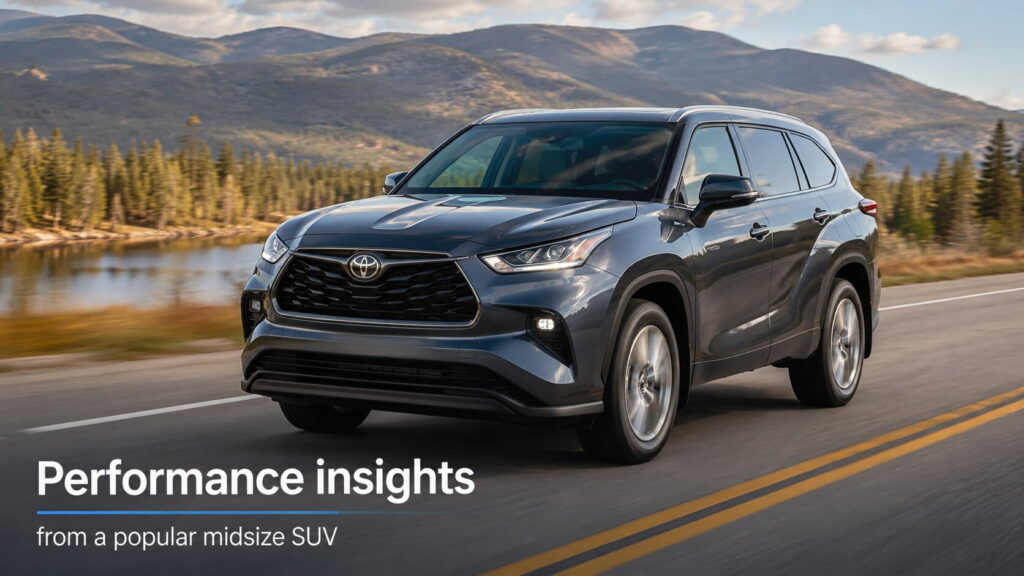
Performance insights from a popular midsize SUV
Prioritize engines with balanced horsepower and torque figures, as they significantly enhance driving dynamics in mid-sized vehicles. For those who frequently navigate urban environments as well as winding roads, models equipped with turbocharged four-cylinder engines often provide an ideal blend of fuel efficiency and responsiveness.
Evaluate towing capacity if you plan to use the vehicle for recreational activities. Numerous options in this category boast capabilities ranging from 3,500 to over 6,000 pounds, allowing for versatility in hauling trailers or boats, thus amplifying the vehicle’s practicality.
Do not overlook the importance of drivetrain options. All-wheel drive systems are increasingly standard, enhancing stability and traction during adverse weather conditions. Meanwhile, selective drive modes can tailor performance to suit varied terrains, making these options valuable for diversifying driving experiences.
Finally, inspect suspension quality for a refined ride. High-quality suspensions significantly reduce road noise and vibrations, contributing to a more enjoyable journey, particularly on uneven surfaces. With the right research, selecting a vehicle that meets both performance and comfort criteria becomes straightforward.
Engine Power: Key Specs for Midsize SUVs
Seek models with an engine output of at least 250 horsepower for optimal acceleration and towing capacity. This benchmark allows for smooth highway merging and facilitates transport of larger loads, making your experience more versatile.
Common configurations include turbocharged four-cylinder and V6 engines. Turbocharged options typically yield better fuel efficiency, especially in urban environments, while V6 units provide enhanced performance for off-road adventures or heavy towing. Here’s a quick overview of common specifications:
- Turbocharged 2.0L I4: 250-275 hp
- 3.6L V6: 280-310 hp
- Hybrid options: 200-250 hp with improved fuel economy
Always check the torque ratings as well. An engine with a torque range of 260-295 lb-ft ensures good low-end power, benefiting both acceleration and overall drivability. Reliable figures in this area contribute to a dynamic driving experience and greater confidence on varied terrains.
Handling and Stability: What to Look For
Prioritize vehicles with a low center of gravity. This feature reduces body roll during sharp turns, enhancing grip and control. Test drives on winding roads can reveal how well a model maintains composure at speed.
Examine the suspension system closely. Systems with adaptive dampers adjust to road conditions automatically, providing a more stable driving experience. Evaluate responses to bumps and potholes to gauge the vehicle’s ability to absorb shocks effectively.
Pay attention to the tire quality and size. Wider tires typically offer better traction while improved tread patterns enhance performance in various weather conditions. All-season tires may suffice, but winter-specific options are beneficial in colder climates.
Evaluate the steering feedback as well. Responsive steering enhances driver confidence, particularly during evasive maneuvers. A variable ratio steering system can offer better precision at high speeds and make city driving more manageable.
Fuel Efficiency: Balancing Performance and Economy
Prioritize models equipped with turbocharged engines or hybrid systems, as these often offer the best blend of power and fuel savings. For instance, vehicles with a four-cylinder turbo can deliver up to 25% better mileage compared to traditional six-cylinder engines without sacrificing acceleration.
Regular maintenance, including tire pressure checks and timely oil changes, significantly enhances fuel consumption rates. Keeping tires inflated helps reduce rolling resistance, which can improve your miles per gallon by as much as 3%. Regular maintenance can prevent power loss that hinders fuel economy.
Driving habits greatly influence fuel usage; smooth acceleration and deceleration can yield up to 15% fuel savings. Avoiding aggressive driving not only extends engine life but also contributes to lower motor power consumption. Planning routes efficiently helps reduce excess fuel usage during long trips, maximizing range.
Consider selecting all-wheel drive systems designed with fuel economy in mind. Some modern all-wheel configurations distribute power optimally, allowing for enhanced traction without a dramatic increase in fuel consumption. Combining thoughtful vehicle choice with mindful driving practices creates a balanced approach to energy savings and driving satisfaction.